Why did I break a bone from a fall, slip or trip?
Why did I break a bone from a fall, slip or trip?
Sometimes people assume a broken bone is just bad luck, that it could happen to anyone.
But take a moment to think about it: if you had fallen the same way or done the same activity when you were 20 years old, would a bone have broken?
Probably not.
A healthy, strong bone doesn’t usually break from something minor like a simple fall.
Just like someone wouldn’t blame a snowbank for a heart attack while shovelling, a broken bone from a small fall is rarely just about the fall itself — it’s often a sign that your bones might need some attention.
Why your bone might have broken
There are many risk factors that can make bones more fragile.
Age is one of the most common — bone strength naturally starts to decline in our mid-30s.
Hormone changes, body size, long-term health conditions, or certain medications can also play a role.
If you break a bone from a simple fall, or while doing everyday activities such as:
Tripping, slipping, or falling from standing height
Picking up a child or object
Making a bed
Coughing or sneezing
Rolling out of bed
Falling from a chair or toilet
…it may be an early warning sign of osteoporosis.
Ask Yourself
Have you had a fracture after age 40?
Are you taking steroids (like prednisone) or other medications that can cause bone loss?
Have you had more than two falls in the past year?
Did one of your parents have a hip fracture?
Do you have low bone density?
Is your Body Mass Index (BMI) below 20 kg/m²?
Do you smoke?
Do you have three or more alcoholic drinks a day?
If you answered “yes” to any of these, it’s a good idea to talk to your healthcare provider about your bone health.
Remember:
It’s not normal to break a bone from a fall at standing height or lower.
If it happens, it’s a sign to talk to your healthcare provider and check your bone health.
Osteoporosis
What Is Osteoporosis?
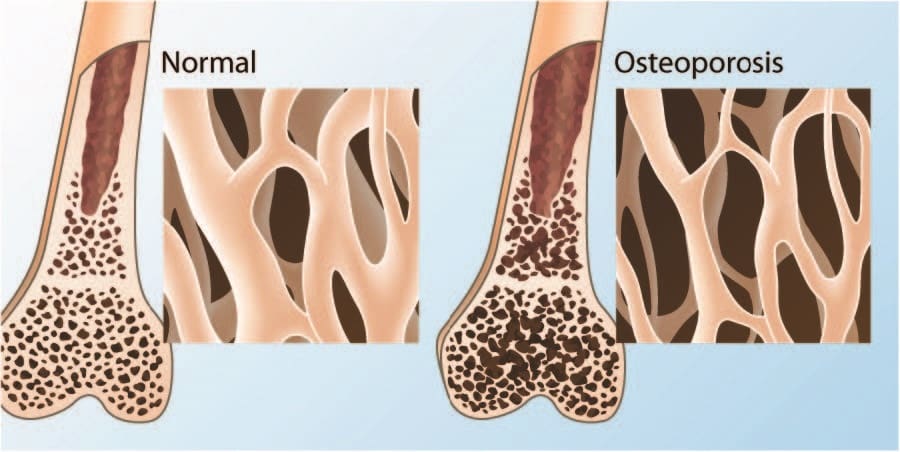
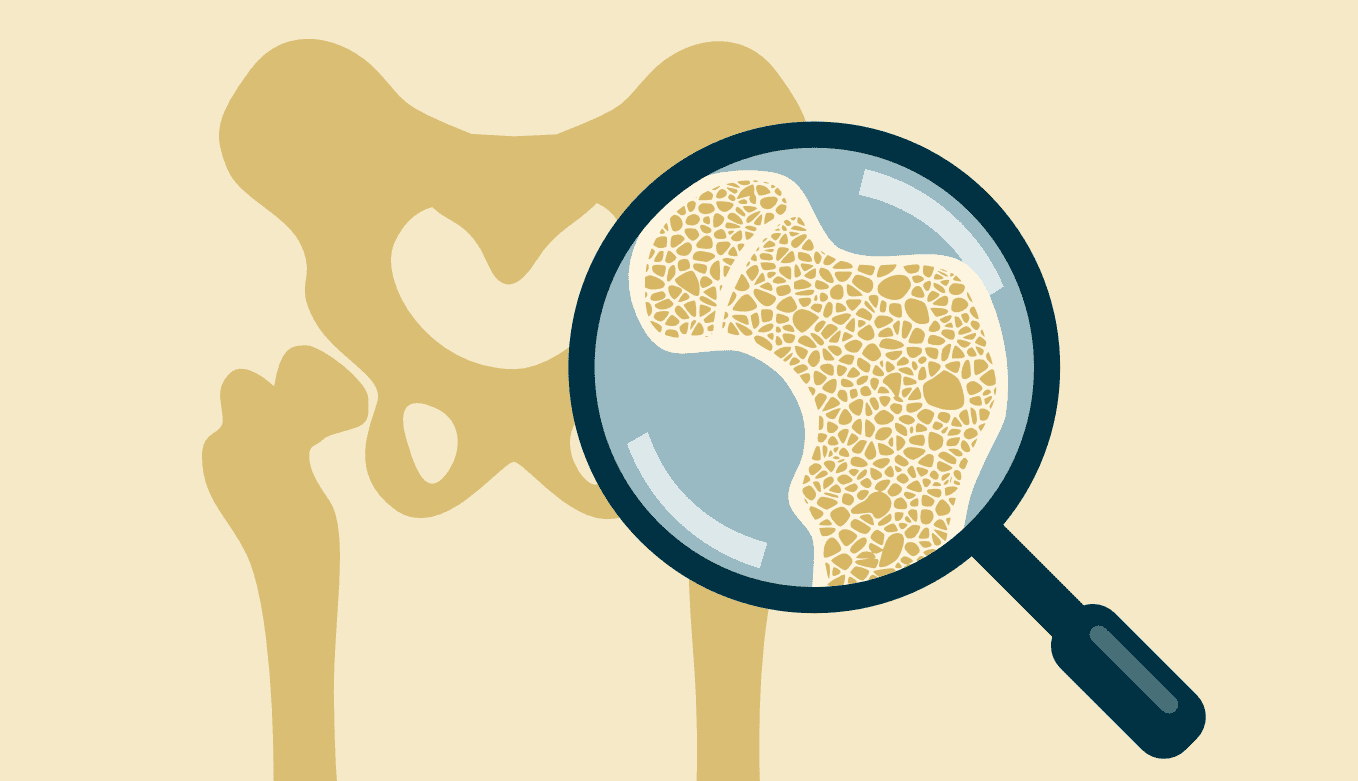
Osteoporosis means that bones have become thin, weak, and more likely to break.
This happens when bone loss occurs faster than new bone can form. It’s sometimes called the “silent disease” because you may not notice any symptoms until a fracture happens.
Osteoporosis:
Increases your risk of broken bones
Can be inherited (runs in families)
Affects people of all genders
Becomes more common as we age
Without proper testing and treatment, bones can continue to weaken — raising the chance of another fracture.
What Is Secondary Osteoporosis?
Sometimes, bone loss isn’t just due to aging.
Secondary osteoporosis occurs when another condition or medication causes bones to weaken.
Examples include:
Long-term use of steroids (like prednisone)
Certain hormone, thyroid, or digestive conditions
Chronic illnesses that affect how your body builds or repairs bone